Porting / PROJECT 06

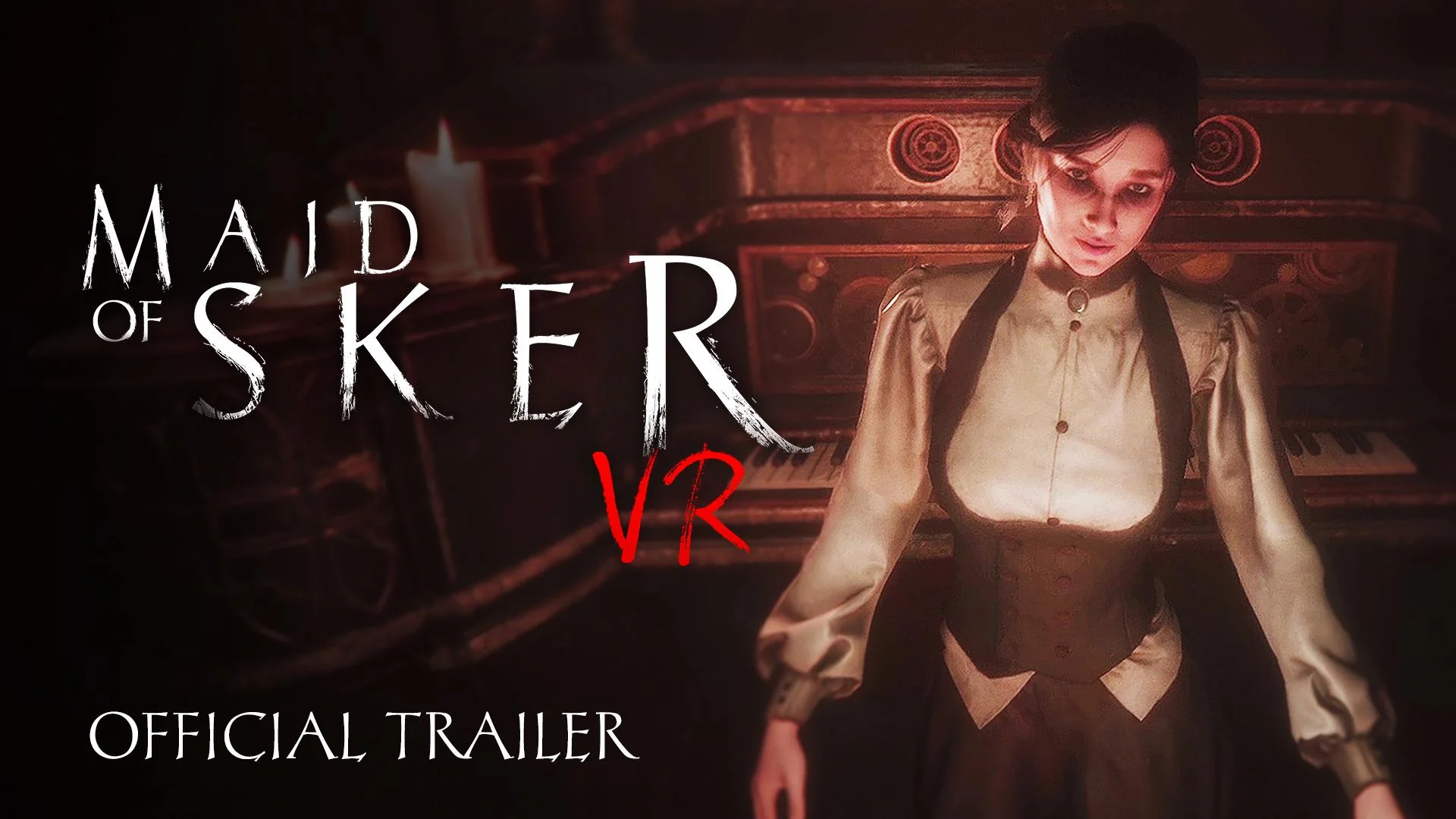
Maid of Sker VR.

First Project at Agate for Porting Game to Virtual Reality (VR)

Maid of Sker VR project thumbnail
BEHIND THE PROJECT / PERSONAL CASE STUDY

A closer look at the journey.

COMPANYAgate International
MY ROLEQA Game Tester
TIME ON PROJECT15 Months
GAME TYPESurvival Horror, First Person
PLATFORMS
PS5META QUESTSTEAM
01 / CONTEXT

Project overview

Maid of Sker VR is a first-person survival horror, set in a remote hotel with a gory and macabre history from Welsh folklore. The game was originally developed as a PC title, and the developer wanted to make the experience more immersive and engaging by bringing players into the game world through VR. While it may not be considered a modern VR game where every object in the environment can be interacted with, I was still quite satisfied with and impressed by the game design and interactions implemented by Agate’s porting team. This project helped me develop not only my technical QA skills but also my project ownership, coordination, communication, and decision-making abilities.

02 / CONTRIBUTION

What I did

• Taking on the role of QA PIC for this project, overseeing the QA process and ensuring testing activities were properly coordinated throughout the development cycle

• Researching and gaining a deeper understanding of VR devices, particularly the PlayStation VR2 (PSVR2) and Meta Quest 3, including their features, limitations, and platform-specific behavior.

• Testing VR gameplay behavior and interactions and discussing the findings with the Game Designer to ensure the intended user experience (UX) was properly delivered.

• Creating and executing test cases based on the specific VR environment, platform, and interaction methods.

•Collaborating and communicating with the entire team, both internally and with global teams, to discuss project progress, testing results, issues, and overall project requirements.

03 / LEARNINGS

What I learned

  • 01

    Learning to take ownership as the QA PIC and manage the project effectively. This experience also helped me develop skills that could support my future growth toward a Project Manager role.

  • 02

    Gaining hands on experience with the VR environment, as this was also the team’s first time working on a VR port. It was a unique challenge that pushed me to learn quickly, adapt to new testing approaches, and better understand VR-specific requirements.

  • 03

    Learned to create a more structured testing approach and schedule based on project priorities.

  • 04

    Worked closely with Game Designers, Developers, and other team members to discuss VR-related issues and determine appropriate solutions

  • 05

    Learning about game rendering pipelines, particularly HDRP and URP, and understanding how they can significantly impact the performance, visuals, and overall experience of a VR game.

04 / REFLECTION

Areas for improvement

01

Explore how VR environments work and how players interact with and experience the game world. Understand how environmental design, spatial awareness, and immersion influence the overall gameplay experience.

02

Research how players prefer to explore VR worlds, including their expectations, exploration habits, freedom of movement, and the types of experiences that encourage them to discover and interact with their surroundings.

03

Investigate how UI elements should be implemented in VR to ensure they are intuitive, accessible, and consistent with the game's theme. Consider how information should be presented without disrupting immersion or obstructing the player's view.

04

Define the experience and emotions the developers want to deliver to players. Identify the atmosphere, feelings, and level of immersion the game aims to create, ensuring that every design decision supports the intended creative vision.

05

Determine how players should interact with objects in the VR environment. Research intuitive interaction methods such as grabbing, holding, moving, rotating, activating, and manipulating objects using VR controllers or hand-tracking technology.

06

Explore effective VR gameplay mechanics that take advantage of the unique capabilities of virtual reality. Consider movement systems, interaction mechanics, navigation, environmental puzzles, feedback systems, and other mechanics that make the gameplay feel natural, engaging, and comfortable.

07

Research ways to minimize motion sickness, reduce physical discomfort, and make the game accessible to different types of players. Consider movement options, locomotion systems, interaction distances, and adjustable comfort settings.

08

Investigate how sound design, lighting, visual effects, spatial audio, and environmental responses can enhance immersion and make the virtual world feel more alive and responsive to player actions.