BEHIND THE PROJECT / PERSONAL CASE STUDYA closer look at the journey.
Where my game QA journey began.
COMPANYAgate International
MY ROLEQA Game Tester — Internship
TIME ON PROJECTApproximately 2 month
GAME TYPEMultiplayer roguelite / Third person shooter
01 / CONTEXT
Project overview
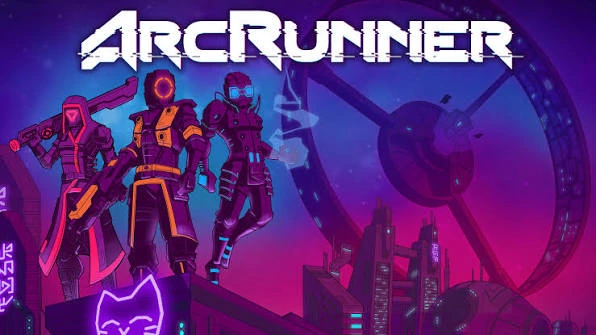
Arc Runner is a third-person shooter roguelite set in a futuristic cyberpunk world. One of its defining features is multiplayer gameplay.
The game was ported to several console platforms, including PlayStation 4, PlayStation 5, Xbox, and Nintendo Switch.
02 / CONTRIBUTION
What I did
• Arc Runner was the first project I joined during my QA internship at Agate International. Being involved in a multi-platform port gave me my first hands-on exposure to the game development industry and the responsibilities of a game QA tester.
• During roughly one month on the project, I began learning how to understand game requirements, prepare and execute appropriate test cases, work with console development and test hardware, and communicate issues to the team.
03 / LEARNINGS
What I learned
- 01
• Understanding the responsibilities of a QA tester and how to contribute effectively within a game development team.
- 02
•Learning the fundamentals of SDLC (Software Development Life Cycle) and STLC (Software Testing Life Cycle).
- 03
• Designing and executing test cases based on project requirements, including choosing suitable testing approaches for different features.
- 04
• Becoming familiar with console developer kits and test kits for PlayStation, Nintendo Switch, and Xbox.
- 05
• Understanding how online multiplayer features work on console platforms.
- 06
• Communicating bugs and other testing findings clearly to teammates.
04 / REFLECTION
Areas for improvement
01Understanding the game more thoroughly
I wanted to improve the accuracy and breadth of my testing by spending more time with the game design documentation and exploratory testing. A stronger grasp of the UI/UX, gameplay flow, objectives, and overall experience would help me design more detailed test cases with wider coverage.
02Adapting to a new industry
Because I was new to the game development industry, I needed to put in extra effort to learn its tools, workflows, and expectations. That learning curve motivated me to build a stronger foundation in game QA.
05 / RESULTS
Available on these platforms.
Explore the public release pages for Arc Runner.